
VISITING HOURS:
Week Days - 9 am to 8 pmSundays - Only Emergency Cases
Impacted Wisdom Teeth: Symptoms and Treatment
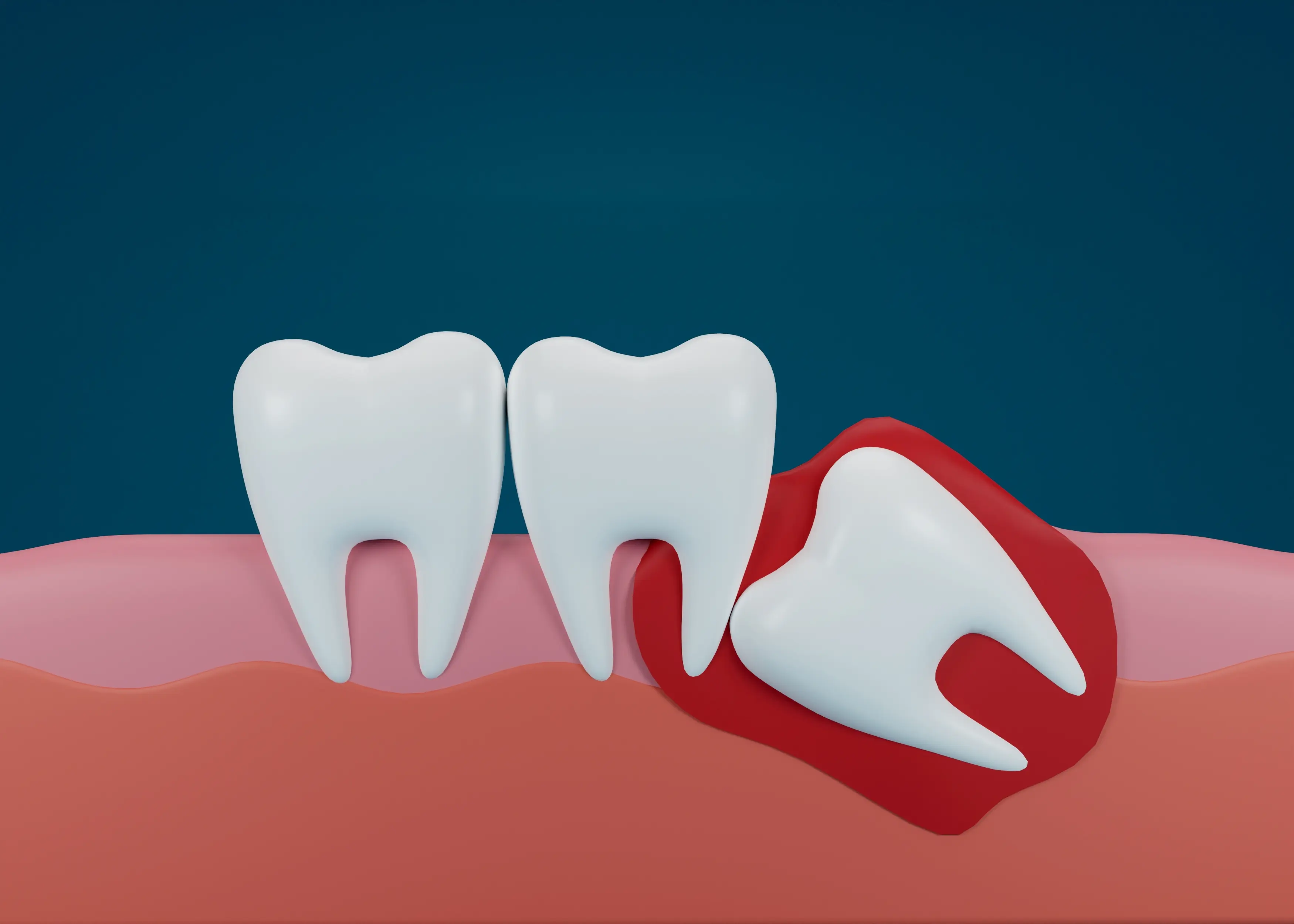
Wisdom teeth, also known as the third pair of molars, are found in the rear corners of both the upper and lower jaws. They commonly appear in the late teen years or early adulthood. When a wisdom tooth becomes caught beneath the gum or does not have enough space to erupt, it is referred to as "impacted." Wisdom teeth that have been impacted are more likely to develop illness and decay. Keep reading to find out how dentists treat impacted wisdom teeth.
Symptoms of Impacted Wisdom Teeth
Symptoms of impacted wisdom teeth vary. While some individuals may not experience any noticeable issues, others may develop symptoms gradually or suddenly. Common signs of impacted wisdom teeth include:
→Pain or swelling in the jaw or face.
→Red, swollen, or bleeding gums.
→Unpleasant taste in the mouth.
→Bad breath (halitosis).
→Difficulty in fully opening the mouth.
What Problems Can Impact Wisdom Teeth Cause?
Impacted wisdom teeth are commonly caused by a lack of space in the jaw to fit them properly. Insufficient space might cause teeth to become impacted. Furthermore, impaction can occur when wisdom teeth emerge at an incorrect angle.
How are Impacted Wisdom Teeth Corrected?
When impacted wisdom teeth cause pain, infection, or dental damage, the most common therapy is wisdom tooth extraction. This oral surgery technique is frequently recommended by dentists as a preventive approach to reduce the risk of future issues.
During the wisdom tooth extraction procedure:
The dentist or oral surgeon will evaluate the impacted teeth using X-rays and a dental exam.
Local anaesthesia, sedation, or general anaesthesia may be administered to ensure comfort during the procedure.
The impacted wisdom teeth are carefully removed surgically. Depending on the position of the teeth and the depth of the impaction, the surgery may include making an incision in the gum tissue and maybe removing some bone to access the teeth.
After the teeth are taken, the surgical incision may be sewn closed to promote recovery.
After the treatment, patients are urged to rest and follow the post-operative care instructions supplied by the dentist or oral surgeon. This may include recommendations for pain relief, swelling decrease, and basic dental hygiene.
Wisdom tooth removal relieves current symptoms of impacted teeth while also lowering the risk of future dental problems such as infection, gum disease, and damage to surrounding teeth. Individuals having symptoms of impacted wisdom teeth should visit a dentist or oral surgeon to establish the best treatment option.
Are Impacted Teeth More Painful to Extract?
While impacted wisdom teeth can provide additional complications during removal due to their placement, it is important to emphasize that the surgery is not necessarily more painful than extracting completely erupted teeth. Dentists and oral surgeons are trained to successfully treat pain and discomfort throughout the process.
Anaesthesia is usually used before the extraction to ensure that you remain comfortable and pain-free throughout the procedure. This may involve local anaesthesia to numb the extraction site, sedatives to help you relax, or general anaesthesia to provide deeper relaxation during the process.
In addition, your dentist or oral surgeon will provide you with pain medicines and post-operative care instructions to help you manage any discomfort or pain that may arise following the procedure. Following these guidelines attentively can help to alleviate discomfort and promote healing.
While the removal of impacted wisdom teeth may cause some discomfort during the recovery period, the pain is usually easily managed with medications and good care. You must discuss freely with your dental care provider about any pain management concerns you may have before and following the operation.
Potential Risks and Solutions After Wisdom Tooth Extraction
Wisdom tooth removal, like any other surgical operation, includes risks and problems. This may include:
Dry sockets: It will occur when the blood clot that forms in the tooth socket during surgery dislodges prematurely, exposing the underlying bone. This danger can be reduced by not drinking through straws and according to post-operative care guidelines.
Infection: Bacteria, food particles, or debris can become trapped in the tooth socket, causing an infection. Antibiotics administered by your dentist or oral surgeon can be effective in treating mouth infections.
Damage to adjacent structures: During the removal process, nerves, jawbone, sinuses, or adjacent teeth may be damaged. Although advanced surgical techniques are intended to reduce this risk, severe injuries can nevertheless occur. Additional oral surgical treatments may be necessary to repair any damage.
It is crucial to address these potential risks and problems with your dentist or oral surgeon before the treatment. Following post-operative care instructions carefully and attending follow-up appointments can help to reduce these risks and promote a smooth recovery. If you suffer any odd symptoms or difficulties after wisdom tooth removal, contact your dental care provider right away for further examination and treatment.
Recovery Time After Wisdom Tooth Removal
Most people recover from wisdom teeth removal within one to two weeks. Many people can return to their routine activities, including work and school, within a few days.
Can Impacted Wisdom Teeth Be Prevented?
Although you cannot completely avoid impacted wisdom teeth, you can take precautions to lessen the likelihood of complications. Here's how:
Maintain Good Oral Hygiene: Brushing, flossing, and getting regular dental check-ups will help reduce the risk of dental problems, including those caused by impacted wisdom teeth.
Early Intervention: If your wisdom teeth are causing complications, consider getting them removed at a younger age. This preemptive technique can help avoid future issues from impacted wisdom teeth.
Dentique Dental Clinic provides excellent care and individual attention for your impacted wisdom teeth. Our expert dentists use the latest procedures to provide a painless and comfortable process. We prioritise patient comfort and happiness by providing complete pre-operative evaluations and post-operative care to guarantee the best possible outcomes. Book your appointment today!
Also Read, Things You Should Know About Wisdom Teeth Pain and Extraction
OUR
TREATMENTS
TREATMENTS
6ab6604bb7d17.webp)








6aba331adb684.webp)