

VISITING HOURS:
Week Days - 9 am to 8 pmSundays - Only Emergency Cases
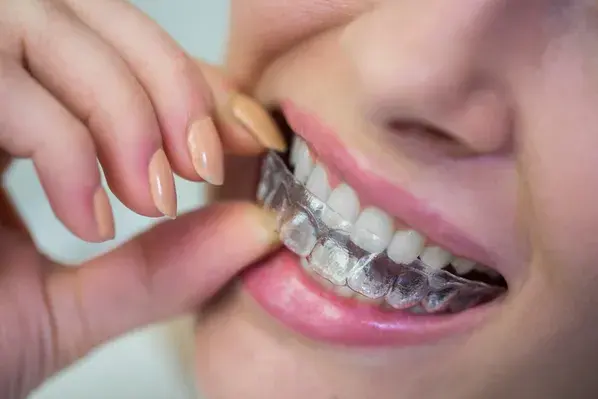
Invisalign vs. Traditional Braces: Which is Better for You
When it comes to achieving a straighter, healthier smile, modern orthodontics offers more options than before. The two most common options are Invisalign and traditional metal braces. While both methods work to fix alignment issues or restore dental function, they work significantly differently and in some cases, discomfort and appearance also are significantly different.
Ultimately, which is better for you depends on your dental needs, lifestyle, and personal taste. This blog will discuss the similarities, differences, advantages, and disadvantages of traditional braces and Invisalign so that you can make a good decision for your teeth.
Understanding Invisalign
Invisalign is a system of clear, removable aligners that apply pressure on the teeth in a way that slowly moves the teeth into the desired position over time. The aligners are made from a 3D imaging system which allows for a custom, comfortable fit over the teeth.
How Invisalign Works:
Patients usually get a series of aligners during treatment. They wear each aligner for 1 to 2 weeks before moving on to the next one. Each set of aligners should be worn for at least 20 to 22 hours a day and can only be removed for eating, drinking (except for water), brushing, and flossing. After several weeks, the patient will gradually transition to new sets of aligners, which will move their teeth into their final position.
Understanding Traditional Braces
Traditional braces use metal brackets and wires to move teeth over time. The brackets attach to the teeth temporarily, and your orthodontist will decide how long the adjustments will take to straighten your teeth.
How Braces Work
Brackets are bonded to each tooth and linked by a wire. The wire creates slight tension during regular adjustments. Additional tools like rubber bands or springs can help correct bites or deal with complex alignment issues.
Also Read : Why Invisalign is the Perfect Option for Athletes?
Comparison: Invisalign and Traditional Braces
Both Invisalign and traditional braces straighten teeth, but they differ in appearance, comfort, and overall experience, particularly in:
1.Aesthetics
Invisalign: Nearly invisible, it is popular among teens and adults who want a discreet treatment.
Braces: Clear braces are an option to reduce visibility, but they are still quite noticeable.
2.Comfort
Invisalign: Made of smooth hard plastic with no sharp edges. This reduces the chance of mouth sores and irritation.
Braces: Metal and wires can cause discomfort, especially after adjustments.
3.Removability
Invisalign: These aligners are simple to take out. They give you the freedom to eat and keep your mouth clean.
Braces: Can’t be removed, making cleaning and eating more difficult.
4.Oral Hygiene
Invisalign: Their removable nature makes it easier to maintain oral hygiene.
Braces: Extra cleaning is required around brackets and wires. This includes special brushes and flossing tools.
5.Duration of Treatment
Invisalign: Treatment time varies, typically between 6 to 18 months, depending on the problem.
Braces: Treatment usually lasts from 18 to 24 months, though it can be shorter or longer based on the complexity of the case.
6.Price
Invisalign: Invisalign costs more because of the technology and customization it involves.
Braces: They are a more affordable option, especially for very complicated cases.
7.Compatibility with Complex Cases
Invisalign: Can resolve mild to moderate cases of misalignment. Recent advancements have allowed some complex cases to be treated, but not all.
Braces: Can treat any type of misalignment, such as severe crowding, rotations and bite issues.
If you are looking for the best invisalign treatment in Kochi, contact Dentique now.
When to Choose Invisalign?
You might benefit more from Invisalign if:
- You appreciate a discrete look.
- You have mild to moderate issues that may require braces.
- You are disciplined about using aligners.
- You do not want too many visits to the orthodontist.
- You want to avoid food restrictions and the hassle of maintaining oral hygiene.
Many adults choosing Invisalign treatment prefer this method because it is discreet. It won't harm their professional image while they improve their smiles. Another significant group is teenagers and college students, who care a lot about their appearance during treatment.
Also Read : Why Celebrities Choose Invisalign Over Traditional Braces
When to Choose Traditional Braces?
Traditional braces might be your best option if:
- You have severe alignment or bite issues.
- You're just not likely to wear aligners that often.
- You're okay with a visible treatment option.
- You prefer a fixed appliance over one that you might forget to remove/ replace.
- Growing children and teenagers get the most benefit from braces because they help guide jaw growth and align teeth.
Go for an Orthodontist’s Recommendation
Both methods yield great results. However, the final decision must be made with a licensed orthodontist. The orthodontist looks at the factors mentioned above, including dental health, and suggests the treatment that is best for you.
Lifestyle Considerations
Invisalign offers a more flexible lifestyle with fewer interruptions, but this freedom comes at a cost. If you forget to wear the aligners at the wrong time or lose them completely, it can delay your treatment. On the other hand, braces work consistently without any effort each day. This makes them ideal for younger patients or for those who prefer not to manage removable appliances.
A Long-Term Investment in Your Smile
Orthodontics are genuinely a long-term investment in your access, health, and self-esteem. A crooked smile can cause several problems, such as gum disease, tooth decay, and jaw pain. Straightening teeth is not only about appearance, as it also establishes a healthy foundation for our future.
Final Thoughts
Invisalign and traditional braces both provide great options for straightening teeth. Each has its own benefits. Invisalign stands out for comfort, appearance, and ease of use. Traditional braces are better for handling complex orthodontic situations.
The best option will depend on your dental needs, lifestyle, and your dentist's advice. With orthodontic technology, getting a healthy, beautiful smile is easier than ever.
OUR
TREATMENTS
TREATMENTS


6ab6604bb7d17.webp)









6aba331adb684.webp)