
VISITING HOURS:
Week Days - 9 am to 8 pmSundays - Only Emergency Cases
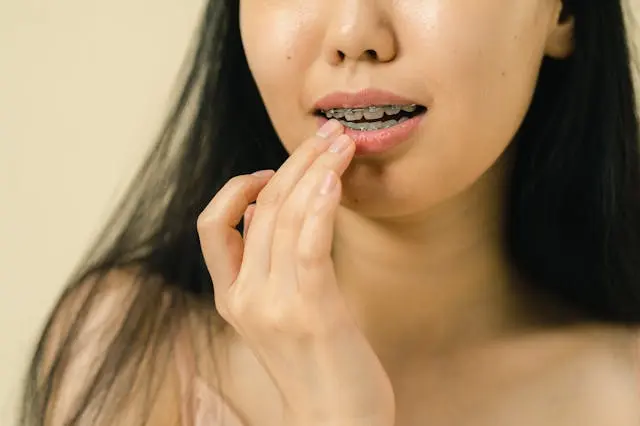
10 Things to Know When Getting Braces
There are several reasons why people wear braces, the most obvious being to straighten their teeth. Adults and children with bite and jaw problems could potentially benefit from braces. Crooked teeth are more than just an aesthetic issue. They harm your tooth health as well. Since there are more areas for germs to grow, teeth that are slightly misaligned are more susceptible to cavities. Severe tooth irregularities, however, can develop TMDs (temporomandibular disorders), as well as interfere with speech and the jaw. Braces are your greatest option to straighten crooked teeth and provide a visually beautiful and healthy alignment. It can be intimidating to get braces. It need not, however, be frightening. Receiving dental braces doesn't have to be difficult if you have the correct knowledge and guidance. Check out the 10 things to consider before getting braces.
Pain and Discomfort for the First Few Weeks
There may be some discomfort when you first receive braces, or any kind of orthodontic treatment, while your gums and teeth adjust. This is very natural, and most people can usually tolerate it well. Temporary relief from pain can be obtained with over-the-counter drugs if you have sensitive gums and teeth. The most often reported feelings are soreness, mild pain, or dull hurting. The majority of patients say that their soreness goes away in two to three days and goes away entirely in less than a week. To ease the pain associated with brackets and wires, you may use orthodontic wax.
Different Types of Braces
Braces are implants that straighten teeth and are used to treat bite problems, misaligned jaws, and crowded or crooked teeth. In addition to giving you an attractive smile, braces help your teeth bite correctly, which enhances your general oral health. Braces can be classified as fixed or detachable objects. Braces that the patient can willingly put in or take out are known as removable orthodontics. These consist of acrylic plates that are detachable, stainless steel wires, and aligners like Invisalign. Braces that are attached to the teeth with cement during orthodontic treatment are referred to as fixed orthodontics. The patients can't remove them of their own volition. Usually, these are made out of orthodontic wires and brackets made of ceramic or metal.
Cleaning Is Important
It's important to practise proper dental hygiene while wearing braces. You may have irreversible stains on your teeth after having your braces taken off if you do not brush your teeth at least twice a day. Keeping your gums healthy is also crucial. Your dental hygiene will be evaluated at each appointment, and you will be taught the proper way to care for your teeth and brace after your brace is placed.
Read to Know: How to Maintain Oral Hygiene with Braces?
No Age Limit
There is indeed no age limit for getting braces. Adults can get fixed orthodontics in order to improve their smile and straighten their teeth. The ideal age range for children is between 10 and 15, while their mouths are still developing and becoming more flexible. Children's softer tissue makes it easier for teeth to align and straighten. The treatment has no upper age limit. However, because of additional dental problems like fillings or missing teeth, adult braces may be a little more difficult. Regardless of these additional concerns, your orthodontist shall be able to treat you effectively and carefully manage them.
Teeth Extraction May Not Be Necessary
To get braces, certain individuals might require dental extractions. Before beginning your braces treatment, you may require tooth extractions if you have overcrowded or overlapping teeth or if your teeth protrude. If you require dental extractions, your orthodontist will advise you on which teeth to extract first, how many teeth, and other relevant details. You can be confident that not every situation will require tooth extractions prior to braces treatment.
Dietary Adjustments
Some foods can harm braces. It is advised to stay away from chewy, sticky, and hard meals. These foods have the potential to lodge in, deform, or shatter orthodontic components including wires and brackets. Foods to steer clear of include caramel, chewing gum, popcorn, and hard sweets. It is advised to choose milder substitutes like pasta, yoghurt, and steamed veggies. One of the best ways to lower the risk of damaged braces is to cut harder foods into smaller fragments or sticks.
Budget and Time
One among the important things to know when getting braces are time and budget. You should be aware that timing and budget can vary significantly when considering braces. The cost of getting braces could be high depending on the kind you choose. Additionally, the severity of your condition will determine how long it takes for you to get your teeth straightened. Your braces will take longer to work the more crooked your teeth are. You might need to wear braces for a maximum of two years before you see any changes. But if your dentist suggests additional procedures like jaw surgery or teeth extractions, the time frame may be reduced. However, be aware that these procedures may increase the duration and cost of your total course of therapy to get the desired outcomes.
Attend Dental Checkups
Throughout treatment, patients should anticipate visiting their orthodontist for a checkup every four to eight weeks. The orthodontist will make adjustments to your braces and replace or tighten the wires to make sure the proper amount of pressure is being applied. These appointments are usually much shorter than the initial one. To provide the orthodontist with the best opportunity to make any required adjustments, it is highly suggested that you adhere to the schedule as strictly as possible.
Retainers After Treatment
For most patients, braces are usually not the final step in their treatment.After orthodontic treatment, your orthodontist will probably suggest retainers to make sure your smile is preserved. With the use of retainers, you can stop regression and maintain your teeth in their newly positioned alignment. Carefully adhere to your orthodontist's instructions to guarantee the longevity of your retainers.
Also Read: Why Retainers Are Important After Braces?
Use a Mouthguard While Playing
Wear a mouthguard if you're an athlete and you plan to play sports or engage in any other physical activity where you could be struck in the mouth. If you get stuck while using braces and you are not wearing a mouthguard, the wires and brackets may cut your opponent or damage your braces, requiring a replacement session. Choose a mouthguard made specifically for orthodontic treatment or get a custom mouthguard.
Conclusion
Braces for teeth are more than simply a medical procedure; they open the door to a confident, healthy smile. Braces are advised by orthodontists to treat a variety of disorders, including crowded and crooked teeth, misaligned jaws, and biting abnormalities. The benefits extend beyond aesthetics and include better speaking, better dental hygiene, and more comfortable eating.
For further information on obtaining braces or to schedule an appointment, please visit our website.
OUR
TREATMENTS
TREATMENTS
6ab6604bb7d17.webp)








6aba331adb684.webp)